






So, why does glyphosate matter?
- Glyphosate is widely sprayed on conventional crops. Including wheat, soy, corn, and canola, many of which end up in processed pantry staples.
- It spreads easily. Being water-soluble, it can leach into soils and waterways and persist in the environment.
-
Glyphosate has been linked to a range of health concerns, including disruption of the gut microbiome, hormonal interference, reproductive harm, and potential cancer risk. In 2015, the IARC classified it as a “probable human carcinogen,” a label still in place, despite the U.S. EPA removing its carcinogen classification back in 1991.
It’s under legal fire globally. Roundup producers have paid out billions from lawsuits over its health impacts. Some jurisdictions have banned or restricted use, others continue regulation under safety limits.
Glyphosate in the Spotlight: NZ Legal Challenge Underway
Glyphosate has been used in New Zealand since the 1970s, but it has never undergone a comprehensive safety reassessment. Lawyers from the Environmental Law Initiative (ELI) are challenging the Environmental Protection Authority (EPA) in the High Court for refusing to reassess glyphosate, despite mounting evidence of potential health and environmental risks.
Meanwhile, the Ministry for Primary Industries (MPI) has proposed to raise the Maximum Residue Levels (MRLs) for glyphosate on crops such as wheat, oats, and peas, in some cases up to 100x based on international Codex standards, and without requiring a full domestic risk reassessment.
This case isn’t about banning glyphosate. It’s about enforcing accountability under New Zealand law, which requires reassessment when new information about adverse effects becomes available.
While other countries, including members of the EU, have restricted or banned preharvest use, New Zealand continues to permit practices that are no longer allowed in many other jurisdictions. It’s time to ask: Who’s protecting our food system?

Protection from Glyphosate: What You Can Do
Glyphosate is the most widely used herbicide globally, and New Zealand is no exception. The good news is, there are practical ways to reduce yours and your family’s exposure.
Here’s how:
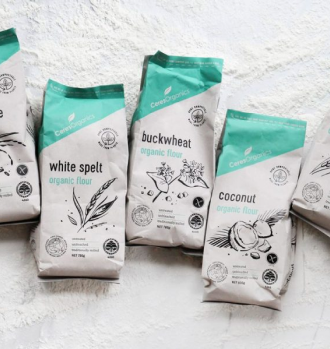
- Choose Certified Organic. Glyphosate use is prohibited under certified organic standards. While small traces can occur due to environmental drift, research shows that people who eat mostly organic have significantly lower glyphosate levels in their bodies than those consuming conventional diets.
-
Prioritise Organic for High-Risk Crops. Use tools like the EWG’s Dirty Dozen (U.S. based but still useful for general guidance) to help identify produce most likely to carry pesticide residues. In New Zealand, the Safe Food Campaign has highlighted certain foods more likely to contain pesticide residues. Many of these overlap with international findings and include: grapes, celery, various fruits, leafy greens, spring onions, cucumber and bread.
- Grow Your Own Food. Even small garden beds or pots can reduce your reliance on conventional produce.
- Stay Informed & Speak Out. Follow the High Court challenge, write to your MP, and question why glyphosate limits are being raised in NZ without robust public consultation or updated risk reviews.