




what’s really in our food system?
Understanding how glyphosate is used in conventional farming, and why it matters.

what is glyphosate?
Glyphosate is one of the most widely used herbicides in the world. It’s commonly used in conventional farming to control weeds in crops like grains, legumes, and some fruit and nut orchards. It’s widely used because it’s effective and cost-efficient but its widespread use has raised questions about long-term impacts on our food systems.
Its use is debated globally. The International Agency for Research on Cancer has classified glyphosate as a “probable human carcinogen,” while regulatory agencies in other countries have reached different conclusions.
how is glyphosate used in conventional farming?
Glyphosate can be used at different stages of the growing cycle, depending on the crop and farming system. Globally, it has often been applied just before harvest on crops like wheat and oats to help them dry evenly and make harvesting more efficient.
In Aotearoa New Zealand, this practice has recently been restricted for grains grown for human consumption, meaning it can no longer be sprayed directly onto crops before harvest. However, glyphosate is still commonly used earlier in the growing cycle - for example, to prepare fields before planting or to control weeds as crops grow. This means its use can vary across the season, and residue levels in food can depend on when it’s applied.
where glyphosate can show up in everyday foods
These are some of the most commonly consumed foods where glyphosate may be used in conventional farming systems.


why does this matter?
While glyphosate is commonly used in modern farming, its widespread use has raised important questions about the long-term health of our food systems.

environmental impact
Glyphosate-based systems can impact soil health and reduce biodiversity over time, particularly when used repeatedly across large areas.
unsustainable farming systems
Reliance on herbicides typically simplify farming systems, reducing crop diversity and increasing dependence on chemical weed control.
lack of food & transparency
Most conventional foods are not labelled for how they’re grown, making it difficult for consumers to know when and where herbicides like glyphosate are used.For many people, it’s not just about one ingredient, it’s about the kind of food system we choose to support.

stop the chemical creep!
Glyphosate is widely used in New Zealand, but research shows it can persist in soil and impact ecosystems over time.
how to reduce your exposure
Reducing your exposure to glyphosate starts with simple, everyday choices like choosing certified organic where possible, prioritising organic versions of higher-risk foods, and even growing some of your own produce.
why choose organic?
Organic farming does not use synthetic herbicides like glyphosate. Instead, it works with natural systems to support soil health, biodiversity, and long-term sustainability.
Choosing certified organic means choosing food you can trust, grown to a higher standard that prioritises transparency, environmental care, and the integrity of what ends up on your plate. It’s a simple choice that supports a better way of growing food, for people and the planet.
shop organic pantry staples you can trust
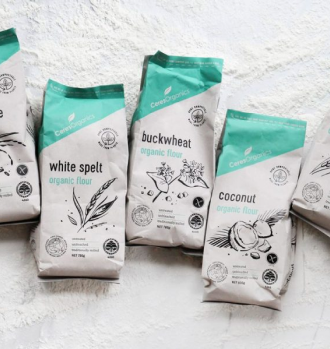
Grown without synthetic herbicides like glyphosate.
-

 Certified Organic
best sellerRated 4.9 out of 5 stars15 ReviewsRegular price $17.90Unit price perin stock
Certified Organic
best sellerRated 4.9 out of 5 stars15 ReviewsRegular price $17.90Unit price perin stock -
 Certified Organic
best sellerRated 5.0 out of 5 stars10 ReviewsRegular price $17.90Unit price perin stock
Certified Organic
best sellerRated 5.0 out of 5 stars10 ReviewsRegular price $17.90Unit price perin stock -
 Certified Organic
Rated 5.0 out of 5 stars3 ReviewsRegular price $50.19Unit price perin stock
Certified Organic
Rated 5.0 out of 5 stars3 ReviewsRegular price $50.19Unit price perin stock -
 Certified Organic
best sellerRated 5.0 out of 5 stars13 ReviewsRegular price $70.00Unit price perin stock
Certified Organic
best sellerRated 5.0 out of 5 stars13 ReviewsRegular price $70.00Unit price perin stock

 Certified Organic


